Guides
Customs formalities for import and export: steps, documents and responsibilities
AI Text written with AI assistance and checked by the editorial team. How we work with AI
Article translated automatically from Romanian and checked automatically. If there is any difference, the original prevails. See the original in Romanian · How we use automatic translation

Cranes and lorries work together in a maritime shipping port. Photo: akophotography · Envato Elements
In short
Learn the steps of customs formalities for import and export, the role of the customs representative and the definition of the holder of the goods.
Contents
In brief
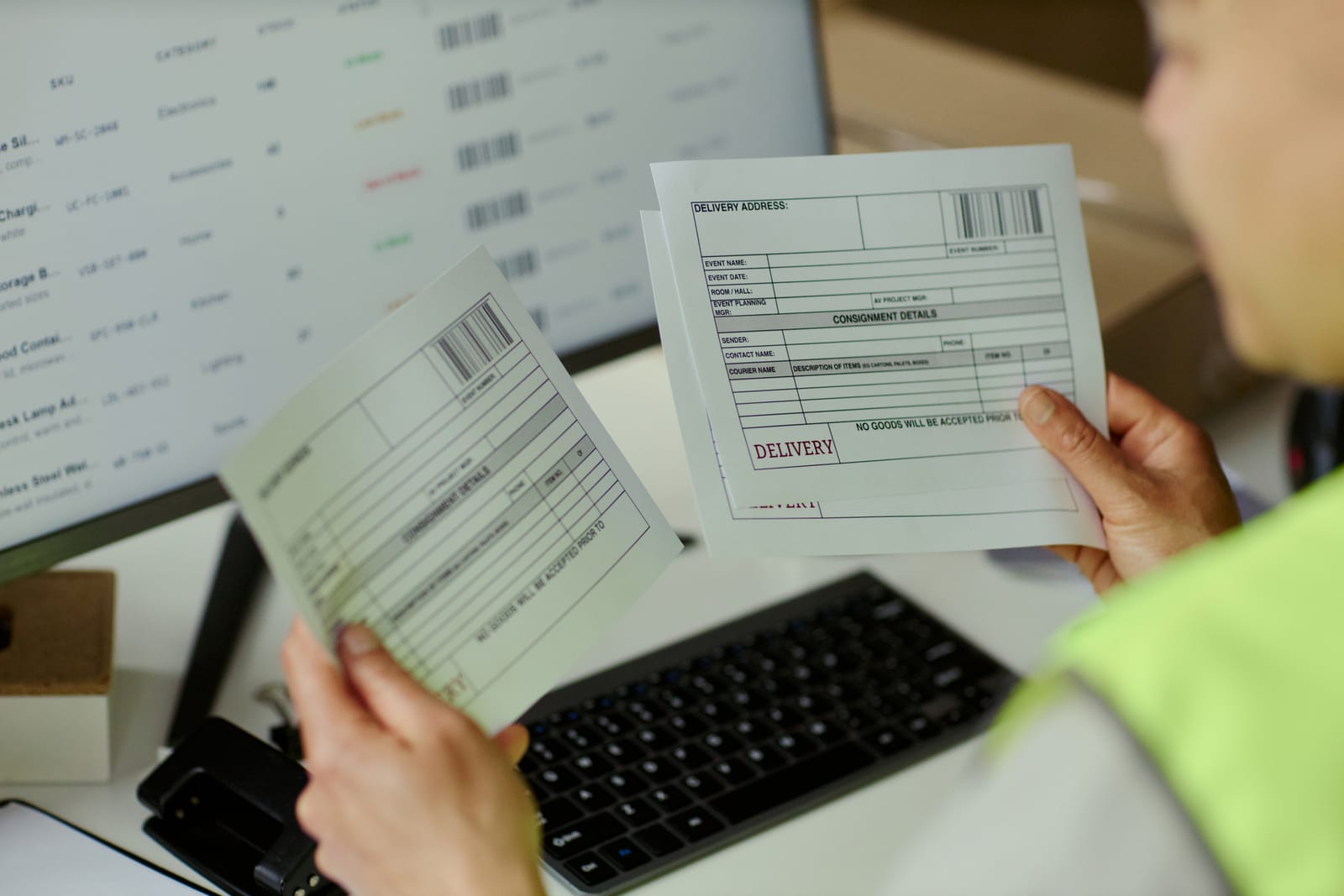
A customs declaration is an official document that provides details of goods that are imported into or exported from the customs territory of the EU.
Customs formalities for import
If your company imports goods into the EU from countries outside the Union, you must follow several different procedures.

First, you must lodge an entry summary declaration before the goods arrive at the first point of entry into the EU.
The goods remain under the supervision of the customs authority (so-called "temporary storage").
In some cases, you may need additional import licences.
Customs formalities for export
If your company exports goods to countries outside the Union, you must follow several different procedures.
The transport company you have chosen is responsible for ensuring that the exit summary declaration is lodged with the customs authority.
The Harmonised System (HS) code identifies your product and determines which duties, documents or restrictions apply.
You can apply for an EORI number through the national customs authority of the EU country in which you are established.
The Registered Exporter System (REX) allows authorised exporters to self-certify origin by adding a statement on the invoice or on the transport documents.
Common documents and responsibilities
Where the acceptance of a customs declaration imposes certain obligations on a particular person, that declaration is lodged by that person or by their representative.

In dealings with the customs authorities, the customs representative states that they are acting for the person represented and specifies whether this is direct or indirect representation.
"Holder of the goods" means the person who is the owner of the goods or who holds a similar right of disposal over them or who has physical control of them.
For the national procedure in force, contact the customs authority or a customs broker.
For goods in transit, see the article on external Community transit T1.
Frequently asked questions
Who lodges the entry summary declaration?
The entry summary declaration must be lodged by you or by your representative (the customs broker or the carrier).
Can representation be direct or indirect?
Yes, customs representation can be direct, in which case the customs representative acts in the name and on behalf of another person, or indirect, in which case the customs representative acts in their own name but on behalf of another person.
Can goods leaving the EU be checked?
Yes, goods that are to leave the customs territory of the Union are subject to customs supervision and may be subject to customs controls.
Do you have a shipment with customs formalities? Send us the shipment details through the quotation form and HONEXPRES will help you.
The information in this article is for information purposes only and does not constitute legal advice. For a specific situation, check the requirements in the official texts in force.
Read also
Have something similar to move? Request a quote →
Frequently asked questions
Who lodges the entry summary declaration?
The entry summary declaration must be lodged by you or by your representative (the customs broker or the carrier).
Can representation be direct or indirect?
Yes, customs representation can be direct, in which case the customs representative acts in the name and on behalf of another person, or indirect, in which case the customs representative acts in their own name but on behalf of another person.
Can goods leaving the EU be checked?
Yes, goods that are to leave the customs territory of the Union are subject to customs supervision and may be subject to customs controls.
Sources (6)
- Importation · accessed 2026-10-21
- Customs declaration · accessed 2026-10-21
- Taxe vamale și proceduri la import - Your Europe · accessed 2026-10-22
- L_2013269RO.01000101.xml · accessed 2026-10-22
- Exportation · accessed 2026-10-21
- Taxe vamale și proceduri la export - Your Europe · accessed 2026-10-22
Related services