

Freight forwarder · freight forwarding
Freight forwarder for domestic and international freight transport
We organise road, sea, air and rail freight transport, in Romania and internationally. We choose the solution and the carrier, coordinate the documents and follow the transport through to delivery.
On this page
Definition
What is a freight forwarder
A freight forwarder — also called a forwarding company or forwarding agent — is the company that organises the transport of goods on the customer’s behalf. It does not necessarily own the vehicles: it chooses the right transport mode and carrier, coordinates the documents and follows the transport through to delivery.
HONEXPRES is a freight forwarder: we organise domestic and international freight transport — road, sea, air and rail — with the documents and formalities linked to the transport.
- Road · sea · air · rail
- Domestic and international
- Documents and formalities coordinated
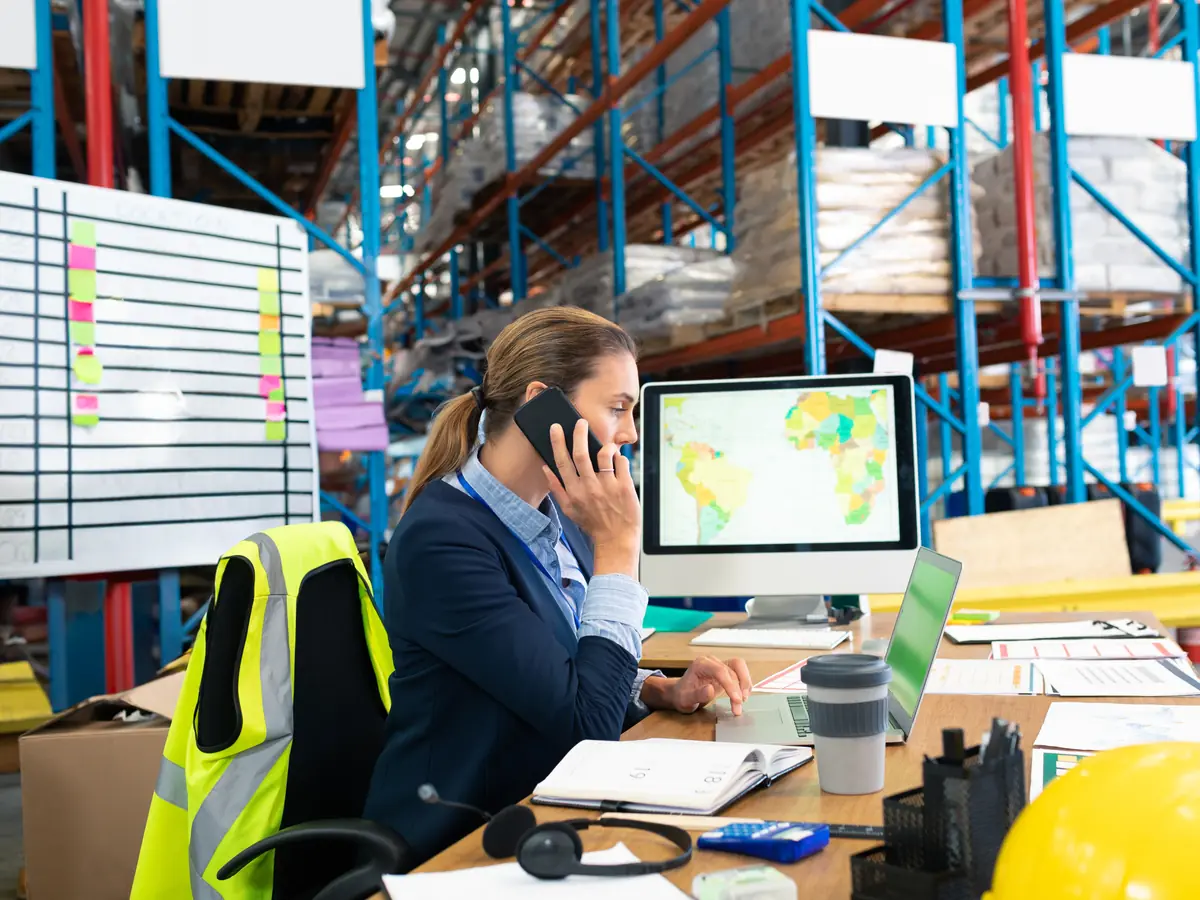
What it does
What does a freight forwarder do for you?
You tell us what you need to ship. We organise the solution, coordinate the carrier that runs the job and follow the transport through to delivery.
-
Customer
Sends the request: the route, the goods, the cargo details and documents. Confirms the quote.
-
HONEXPRES · freight forwarder
Quotes, chooses and checks the carrier, issues the transport order, coordinates the documents and the communication.
-
Carrier
Carries the goods with its vehicle and its driver, in line with the transport order and the transport document.
Step by step
What a freight forwarder actually does, step by step
-
Analyses the request
We receive the request through the form, by phone, WhatsApp or email and check the details: route, goods, weight, volume, dimensions, packaging, deadline and loading schedule.
-
Chooses the transport mode
Full truckload or groupage, FCL or LCL container, rail for large volumes over long distances, air when the deadline is critical — according to the goods, the route, the deadline and the cost.
-
Selects the carrier
We choose the carrier for the vehicle required and check its transport licence, its CMR liability insurance policy and, where applicable, its ADR or ATP certificates.
-
Checks the route
The distance, the crossing points, access and manoeuvring at loading and unloading, including the ramp or forklift available.
-
Checks the restrictions
Dimensions, weight, permits for oversized loads, traffic restrictions and tunnels, and for ADR the class, the UN number and the labelling.
-
Coordinates the documents
The written transport order, the CMR, the invoice and the packing list; outside the EU, the customs formalities through the customs broker.
-
Follows the transport
We send you the vehicle details and confirm loading; if there is a delay, we tell you ourselves.
-
Handles incidents
A broken-down truck, a blocked customs post, a delay at unloading: we look for the solution together with the carrier and keep you informed.
-
Confirms delivery
We confirm unloading and close the transport with the signed documents (CMR). If the goods are damaged or something is missing, we help you with the steps of the claim.
Roles
Transport company or freight forwarder?
Two different, complementary roles. The transport company runs the job with its own vehicle; the freight forwarder organises the solution and coordinates the transport from request to delivery.
| Criterion | Transport company | Freight forwarder |
|---|---|---|
| In short | Execution — its own vehicle runs the job. | Organisation — we choose the solution and coordinate the transport. |
| Role | Carries out the transport with its own vehicles and drivers. | Organises the transport solution and coordinates its execution. |
| Resources | Its own fleet, with its capacity and routes. | Access to more options: carriers, vehicles and transport modes. |
| What you get | The execution of the job with the vehicle assigned. | End-to-end coordination: route, restrictions, documents, tracking, incidents. |
| When it fits | You need the capacity of a carrier on the routes it operates. | The goods, the route or the deadline call for choosing the right vehicle and carrier. |
The roles are complementary: a freight forwarder works with transport companies. Neither is “better” than the other — what matters is what your goods need. Example: you need a 13.6 m curtainsider semi-trailer, and a carrier has only refrigerated trailers free. The carrier can offer you what it has in its fleet; the forwarder looks on the market for the equipment the goods require and can combine several transport modes.
Where we organise
Romania, Europe and intercontinental
All transport modes — road, sea, air and rail — separately or combined (multimodal), from address to address when the route allows.
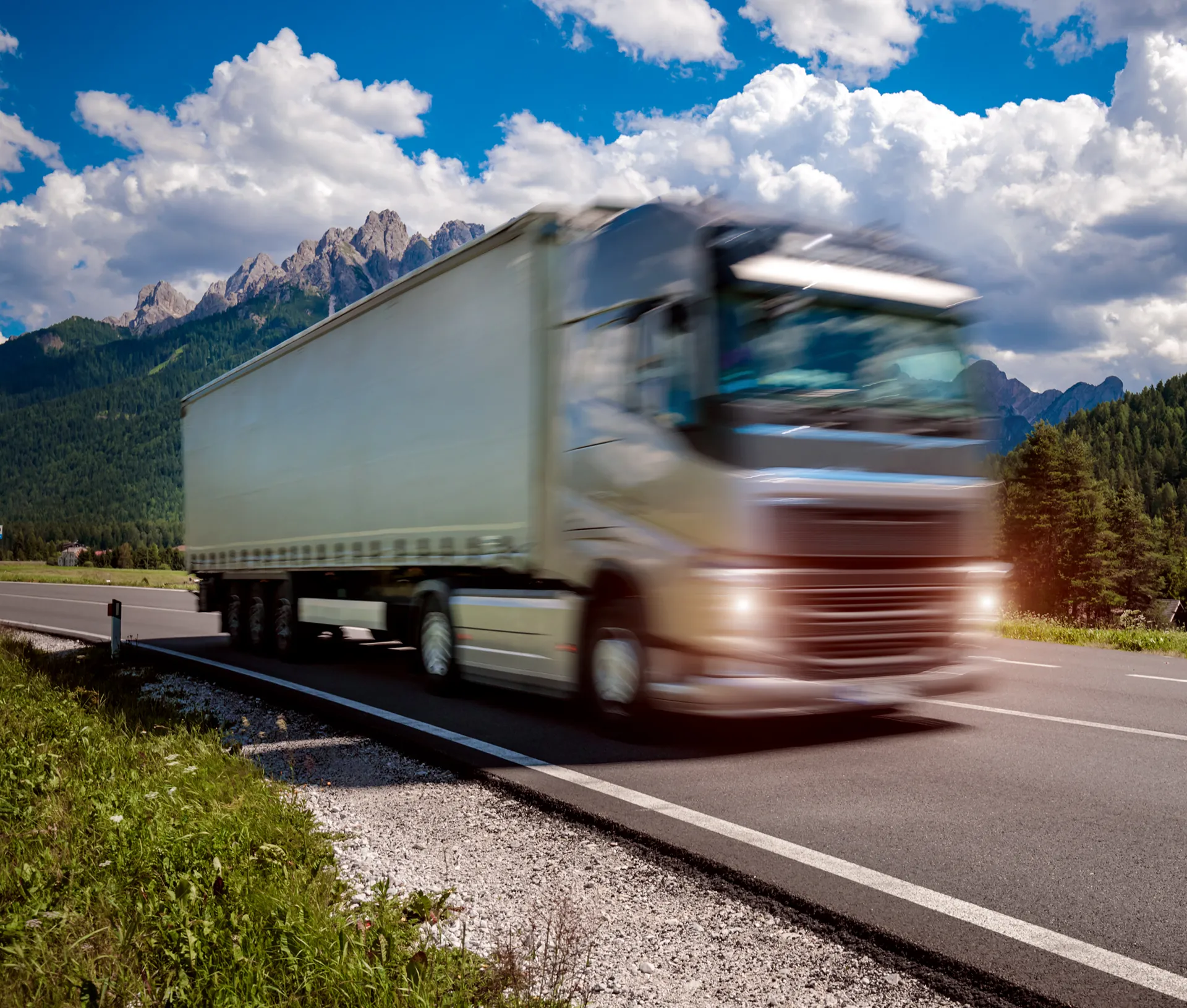
Domestic freight transport throughout Romania
We organise domestic road transport — full truckload or groupage, from a few pallets to machinery and oversized loads — and, for large volumes, rail transport. We choose the vehicle according to the goods, the route and the deadline.
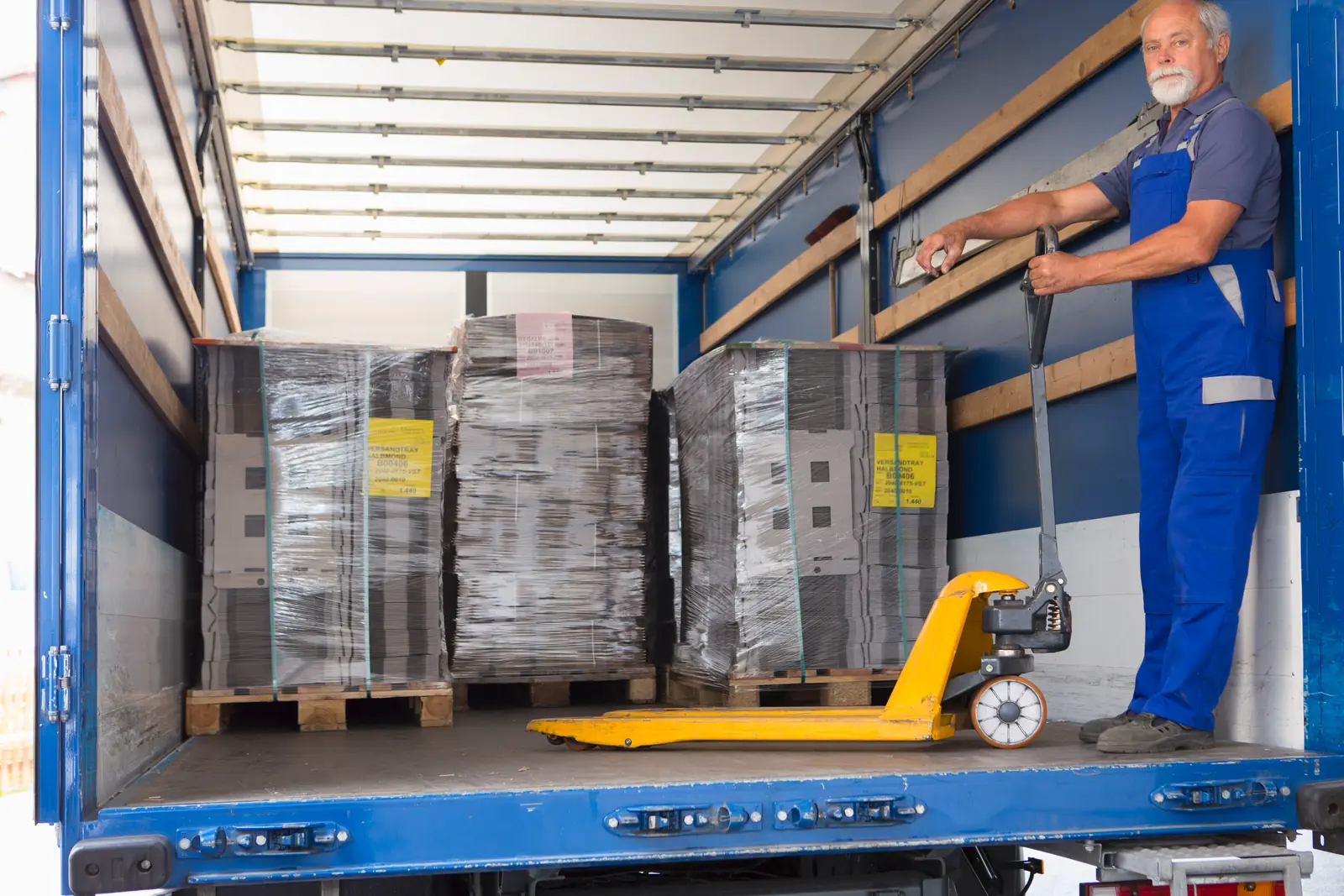
International freight transport in Europe
For exports and imports within Europe we organise full-load or groupage road transport, with the transport documents and, for goods entering or leaving the EU, the customs formalities linked to the transport.
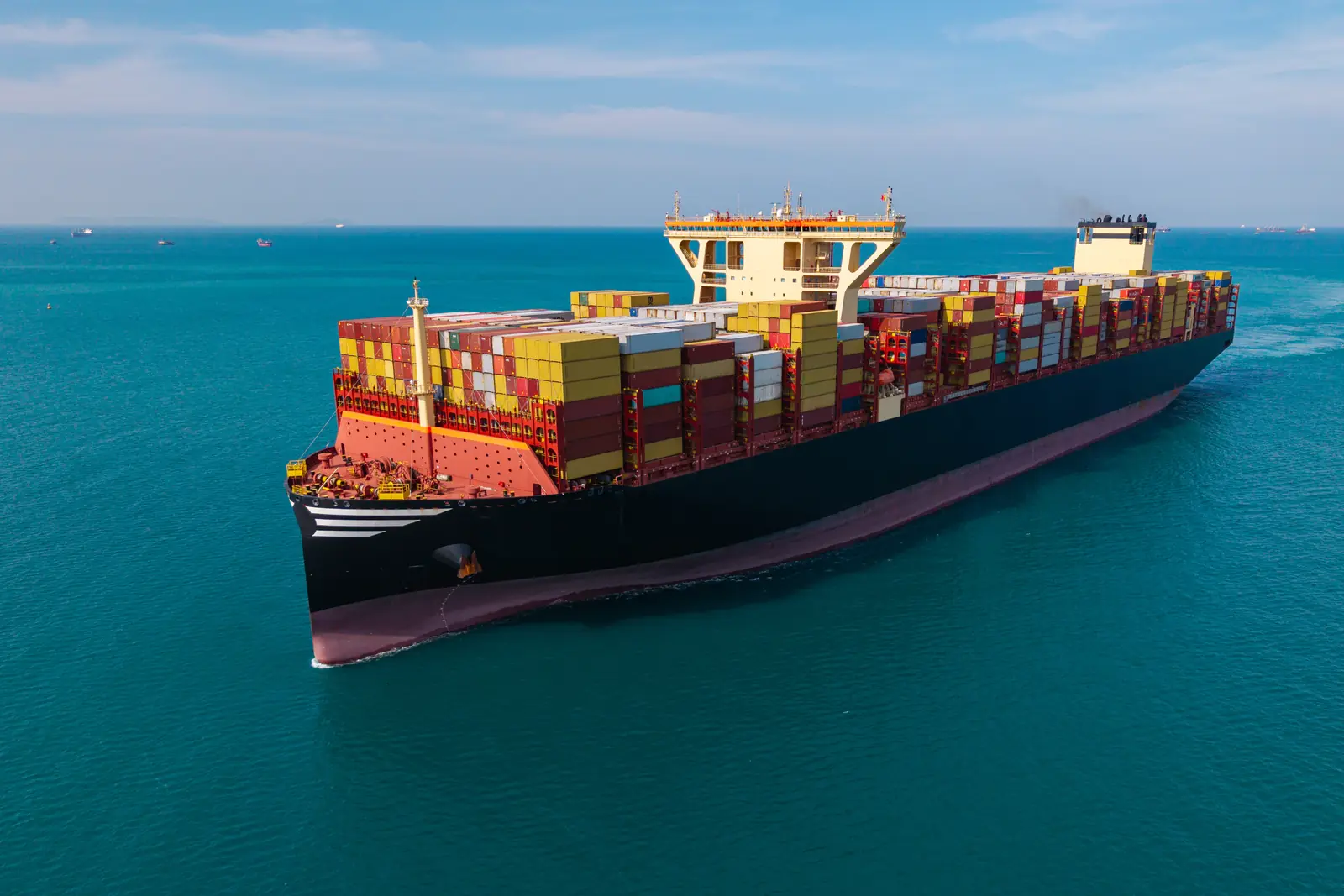
Intercontinental: sea and air freight
For other continents we organise sea freight in containers (FCL or LCL) and air freight, port-to-port, airport-to-airport or door-to-door, where the route allows.
Ways of organising
Door-to-door, FCL/LCL and multimodal transport
-
Door-to-door
The goods are collected from the shipper’s address and delivered to the consignee’s address; the HONEXPRES team coordinates the intermediate stages — handovers, port or airport, documents. Alternatively: port-to-port or airport-to-airport, when you handle the collection or the delivery yourself.
-
FCL and LCL
FCL (Full Container Load) means a whole container for your goods only. LCL (Less than Container Load) means your goods share the container with other shipments, and the cost is calculated on the volume and weight they take up.
-
Multimodal transport
The same transport uses several modes — for example truck to the port, ship, then train or truck to the destination. The team coordinates the handovers between stages and the documents for each mode.
Destinations
Where we ship
We organise transport in Romania, in Europe and intercontinentally. We do not work from a fixed list of routes: each request is reviewed separately, and the solution and the route are confirmed in the quote.
- Romania
- Europe
- Overseas: sea and air
Costs
How much a freight forwarder’s services cost
We do not publish “from” prices: every transport costs something different, and the quote states what it includes, how long it is valid and which extra costs may arise. The price depends on:
-
The transport mode and the route
Road, sea, air or rail and the route between the addresses
-
The goods
The type and quantity of goods; special requirements (ADR, temperature, oversized)
-
The services included
Customs formalities, warehousing, optional cargo insurance
-
Dates and urgency
The loading and delivery dates; the urgency of the transport
-
The transport market
The state of the transport market on that route
For carriers
Are you a carrier? Work with HONEXPRES
We work with vetted carriers, by road and for special cargo, with vehicles from 3.5 t to semi-trailers. Send us:
- your company details and transport licence
- your CMR liability insurance policy
- the vehicle types and the routes you run
We contact you when we have suitable loads.
Guides
Useful guides and articles

Relevant articles
- Freight forwarding The contracts required in the freight forwarding process
- Freight forwarding Trade in goods between countries – what is the role of forwarding?
- Freight forwarding Useful definitions in the field of freight transport
- Freight forwarding The updated INCOTERMS delivery terms
- Freight forwarding What a freight exchange is and how it works
Frequently asked questions
Frequently asked questions
Short answers about the role of a freight forwarder, costs, liability and documents.
What information do I need to send for a quote?
The route (loading and delivery addresses), the type of goods, the weight, the volume or dimensions, the packaging and the number of pallets, the loading date and any special requirements (ADR, temperature, oversized). If you do not know something, choose “I don’t know” in the quote request and the HONEXPRES team helps you fill it in.
What is the difference between a freight forwarder and a transport company?
The transport company runs the job with its own vehicles and drivers, on the routes it operates. The freight forwarder organises the solution: it chooses the transport mode, the vehicle and the right carrier, coordinates the documents and follows the transport through to delivery. The roles are complementary: a freight forwarder works with transport companies. See the comparison of the roles.
How much do a freight forwarder’s services cost?
We do not publish “from” prices: every transport costs something different. The price depends on the transport mode and the route, the type and quantity of goods, special requirements, the services included, the dates and urgency, and the state of the market on that route. The quote states what it includes, how long it is valid and which extra costs may arise.
Who is liable for the goods during transport?
Liability for the goods during transport is determined by the quote, the contract and the conventions that apply to the transport mode, for example the CMR Convention by road. If damage, a shortage or a delay occurs, the HONEXPRES team helps you with the steps and documents of the claim. Cargo insurance is optional and can be included in the quote.
Do you also organise small shipments of a few pallets?
Yes. In Romania and in Europe we organise groupage road transport, starting from a few pallets, and a full truckload for larger volumes. Details on the groupage / LTL page.
Which documents are needed for an international transport?
It depends on the transport mode and the goods. As a rule: the transport document (CMR by road, bill of lading by sea, AWB by air), the commercial invoice and the packing list; for goods entering or leaving the EU, the customs documents, with the formalities coordinated through the customs broker; for dangerous goods, the ADR documents. The HONEXPRES team prepares and checks the transport documents. See also transport documents.
Quote request
Have goods to ship?
Tell us what you are shipping, from where and to where. The HONEXPRES team reviews your request and comes back with a quote.
Automatic translation, automatically checked. This page was translated automatically from Romanian and passed the automatic checks for language, terminology, figures and links. If there is any difference, the Romanian version prevails. How we use automatic translation