Guides
The import customs declaration: what it is, who lodges it and what it contains
AI Text written with AI assistance and checked by the editorial team. How we work with AI
Article translated automatically from Romanian and checked automatically. If there is any difference, the original prevails. See the original in Romanian · How we use automatic translation

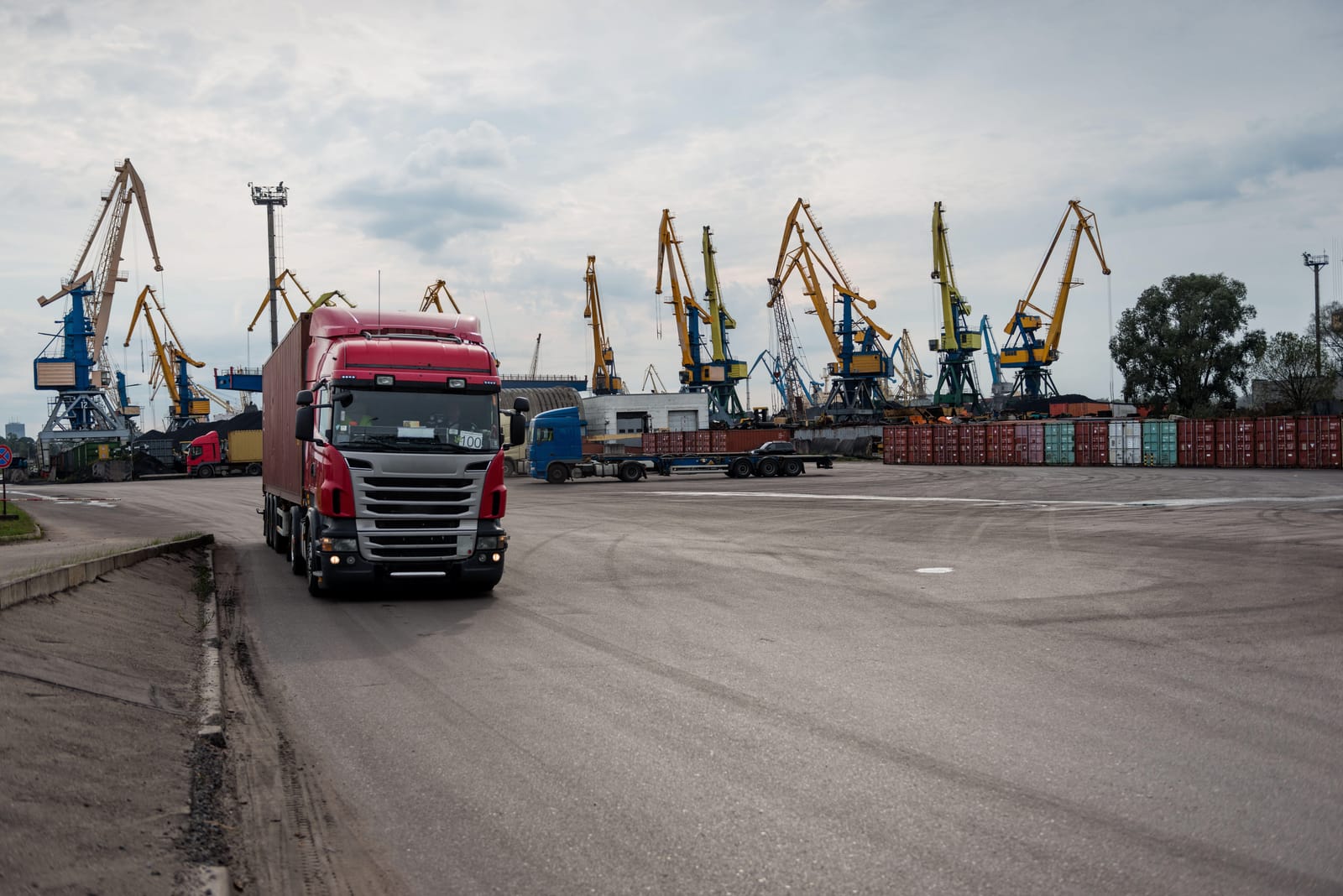
Accompanying documents, checked before the customs declaration. Photo: DragonImages · Envato Elements
In short
A customs declaration is an official document that provides details about goods. Goods enter free circulation on the basis of a customs declaration.
Contents
In brief
A customs declaration is an official document that provides details about goods. Goods enter free circulation on the basis of a customs declaration.
Who lodges it
A customs declaration may be lodged by any person who is able to provide all the information required for the application of the provisions governing the customs procedure under which the goods are declared.

The person lodging the customs declaration must also be able to present the goods concerned to customs or to arrange for their presentation to customs.
Where the acceptance of a customs declaration imposes particular obligations on a specific person, that declaration is lodged by that person or by their representative.
The customs authorities may, upon application, authorise a person to lodge, at the customs office responsible for the place where that person is established, a customs declaration for goods presented to customs at another customs office.
Entry of goods and supplementary data
The entry summary declaration must be lodged by you or by your representative (the customs broker or the carrier).
In the case of a simplified declaration under Article 166 or an entry in the declarant's records under Article 182, the declarant lodges with the competent customs office, within a specified time limit, a supplementary declaration containing the data required for the customs procedure concerned.
For the national procedure in force, contact the customs authority or a customs broker.
Frequently asked questions

What is temporary storage?
"Temporary storage" means the situation of non-Union goods stored temporarily under customs supervision between their presentation to customs and their placing under a customs procedure or their re-export.
Can non-Union goods in free zones be released for free circulation?
Yes, non-Union goods, for as long as they remain in free zones, may be released for free circulation or placed under the inward processing, temporary admission or end-use procedure, under the conditions laid down for those procedures.
Can the authorities authorise an economic operator to carry out formalities?
Yes, upon application, the customs authorities may authorise an economic operator to carry out certain customs formalities which are the responsibility of the customs authorities for the purpose of determining the amount of import and export duty due, and to carry out certain controls under customs supervision.
Do you have a shipment with customs formalities? Send us the shipment details via the quotation form and HONEXPRES will help you.
The information in this article is for information purposes only and does not constitute legal advice. For a specific situation, check the requirements in the official texts in force.
Read also
Have something similar to move? Request a quote →
Frequently asked questions
What is temporary storage?
"Temporary storage" means the situation of non-Union goods stored temporarily under customs supervision between their presentation to customs and their placing under a customs procedure or their re-export.
Can non-Union goods in free zones be released for free circulation?
Yes, non-Union goods, for as long as they remain in free zones, may be released for free circulation or placed under the inward processing, temporary admission or end-use procedure, under the conditions laid down for those procedures.
Can the authorities authorise an economic operator to carry out formalities?
Yes, upon application, the customs authorities may authorise an economic operator to carry out certain customs formalities which are the responsibility of the customs authorities for the purpose of determining the amount of import and export duty due, and to carry out certain controls under customs supervision.
Sources (5)
- Customs declaration · accessed 2026-10-21
- Importation · accessed 2026-10-21
- Glossary · accessed 2026-10-21
- Taxe vamale și proceduri la import - Your Europe · accessed 2026-10-22
- L_2013269RO.01000101.xml · accessed 2026-10-22
Related services