Road freight · Guides
RID rail transport
Article translated automatically from Romanian and checked automatically. If there is any difference, the original prevails. See the original in Romanian · How we use automatic translation
In short
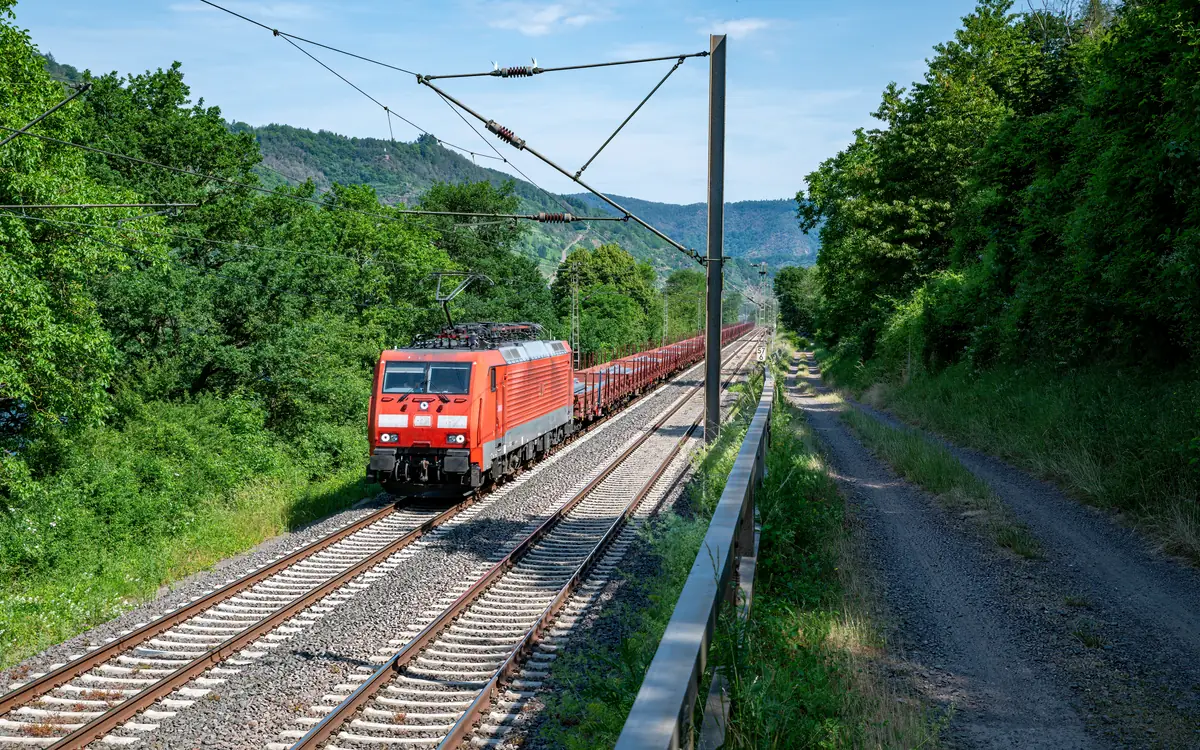
RID is the international agreement that governs the carriage of dangerous goods in domestic and international traffic by rail. Find out more about RID rail transport in this Honexpres article!
Contents
RID is the international agreement that governs the carriage of dangerous goods in domestic and international traffic by rail. Find out more about RID rail transport in this Honexpres article!
RID rail transport
For the most part, the RID agreement prescribes the same conditions of carriage (classification, packing, identification, documentation, etc.) for dangerous goods as the ADR agreement on the carriage of dangerous goods by road.
The common RID-ADR rules that apply:
- Classification of dangerous goods into 13 classes (1, 2, 3, 4.1, 4.2, 4.3, 5.1, 5.2, 6.1, 6.2, 7, 8, 9);
- Use of approved packagings;

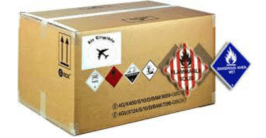
- Labelling and marking of packagings;
- Declaration or description of the dangerous goods in the transport document;
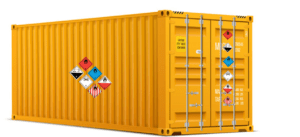
- Placarding and marking of wagons and containers.
The exemptions: although it is rare for dangerous goods to be consigned in small quantities that fall within the quantity limits for the partial exemptions from the provisions of the RID agreement, or for only dangerous goods packed in limited quantities-LQ to be carried, these exemptions nevertheless apply in the same way as in road transport (ADR).
Consigning dangerous goods packed in limited quantities
When you consign containers that contain only dangerous goods packed in limited quantities, with a gross mass of the packages exceeding 8 tonnes, the LQ mark must be affixed to the ends and to the sides of the container.
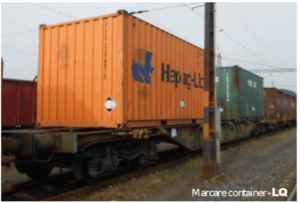
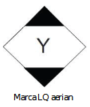
You must pay particular attention to multimodal transport. This holds true for containers or dangerous goods packed in limited quantities. It applies only to containers that are also to be carried by air.
The packages must be packed in accordance with the ICAO or IATA rules on air transport. They must be marked with the LQ mark for air transport.
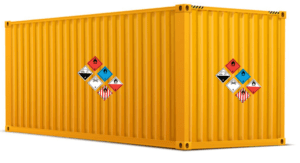
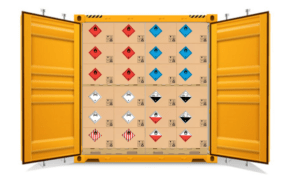
Containers loaded with packages of dangerous goods bearing danger labels must be placarded on all 4 sides with one model each of the danger labels that apply to the packages.
Documentation
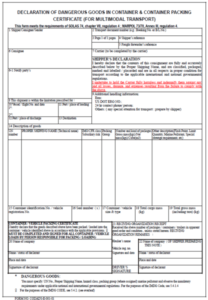
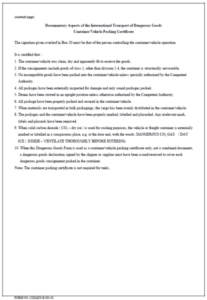
For multimodal transport, the consignor is obliged to complete the container packing certificate. The consignor must attach the certificate to the transport document (CMR-for road transport, CIM for rail transport).
The transport document for international transport must be completed in English, German or French.
The container packing certificate must be signed to confirm that the goods loaded conform to those declared in the transport document. The person who signs the container packing certificate is responsible for:
- The packagings used (they must be authorised and approved for the carriage of dangerous goods),
- The labelling and marking of the packagings,
- The stowage of the packagings.
Given that the contents of the containers may subsequently also be carried by other modes of transport, the consignor and the person who draws up the container packing certificate for the goods must make sure that all the conditions are met for all the types of transport by which the dangerous goods will be carried.
Honexpres – an international freight forwarder
When you need road, rail or intermodal freight transport, turn with confidence to the freight forwarder Honexpres. We have extensive experience in the field, so we can help you with the best, fastest, safest and cheapest solutions for your goods! Contact us and we will give you all the details you need to choose us with confidence!
Photo source: flickr.com
Have something similar to move? Request a quote →
All guides in Road freight (28)
Related services