Sea freight · Guides
What does FOB mean?
Article translated automatically from Romanian and checked automatically. If there is any difference, the original prevails. See the original in Romanian · How we use automatic translation
In short
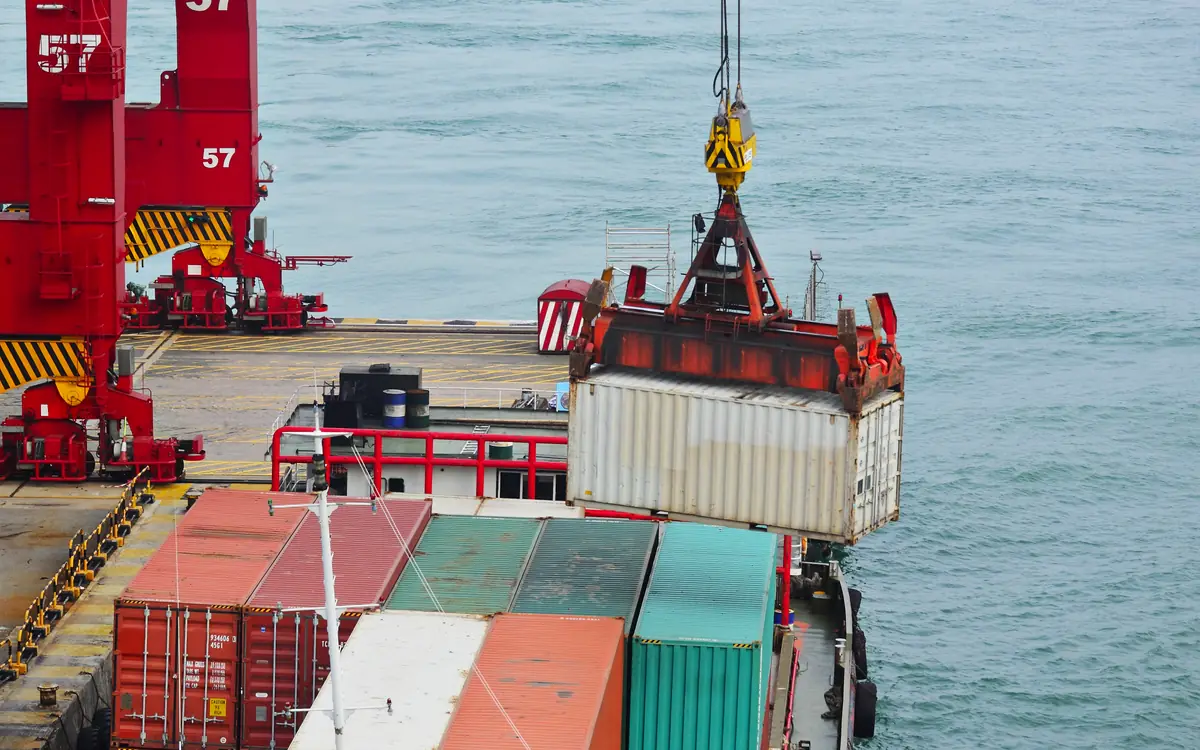
FOB, the term “Free On Board”, indicates that the seller is responsible for delivering the goods on board the ship, at an agreed port, and for all costs up to that point. Once the goods are on board, the risk of loss or damage passes from the seller to the buyer.
Contents
- The advantages and disadvantages of FOB for buyers and sellers
- How does FOB work in practice?
- Tips for using the FOB term effectively
- Conclusion
- The FOB term is essential for understanding who is responsible for costs and risks in international transactions in goods. By clarifying responsibilities, FOB helps to avoid disputes and ensures a smoother transaction between the parties. To maximise the benefits of this term, it is crucial that both sellers and buyers are well informed and communicate effectively.
- Organising sea transport, which is strictly regulated by the Hamburg and Hague-Visby Conventions, with the bill of lading as the fundamental document, is an extremely complex activity, prone to incurring unplanned additional costs. This activity comprises several critical stages, starting with road transport from the sender's premises, customs procedures, management in the port terminal, cooperation with the shipowner and through to coordination with the agents in the port of arrival. These stages involve a variety of third-party players. Although they act in synergy to facilitate export, transport and import, their independent operations can turn any minor anomaly into significant costs.
- Honexpres stands out for its ability to handle these complexities with in-depth expertise, thereby protecting its customers' interests. Our strength lies not only in the experience we have built up, but also in the speed with which we step in when situations become critical, thereby preventing additional costs. This approach allows us to ensure an efficient and cost-effective sea transport process for all our customers.
FOB, the term “Free On Board”, indicates that the seller is responsible for delivering the goods on board the ship, at an agreed port, and for all costs up to that point. Once the goods are on board, the risk of loss or damage passes from the seller to the buyer. The seller must also take care of the export formalities, making sure that the goods can legally leave the country.
The advantages and disadvantages of FOB for buyers and sellers
For sellers:
- Advantages:
- Control over the loading process and assurance that the goods are handled properly.
- Clarity as to the moment at which risk passes.
- Disadvantages:
- Responsibility for coordinating transport up to on board the ship, which may include unforeseen costs.
For buyers:
- Advantages:
- More control over transport and insurance costs after the goods have been loaded on the ship.
- Flexibility in choosing the transport company.
- Disadvantages:
- Responsibility for the goods once they have passed the ship's rail, including the risks associated with sea transport.
How does FOB work in practice?
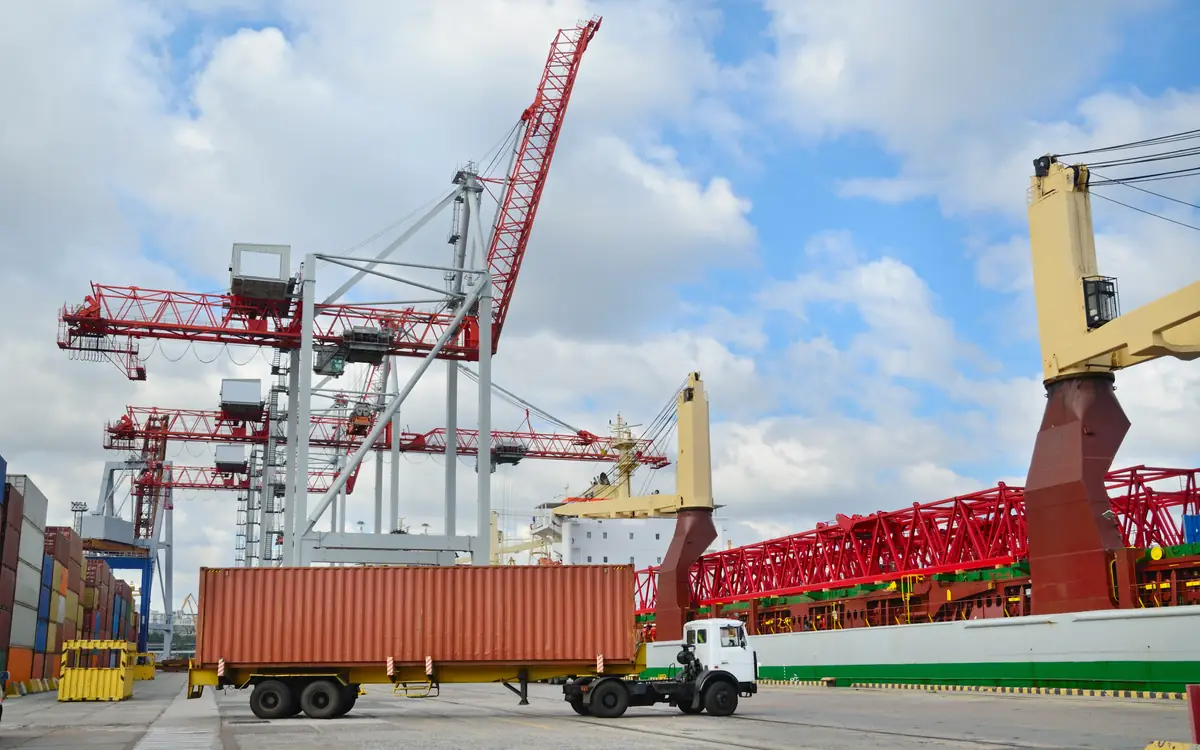
In an FOB transaction, the seller and the buyer assume their respective responsibilities up to and after the loading of the goods on the ship. For example, if an exporter in Brazil sells coffee beans to an importer in Germany on FOB port of Santos terms, the Brazilian seller is responsible for transporting the coffee to the port of Santos, loading it on the ship and all the export formalities. Once the coffee is on board, responsibility passes to the German buyer, who must take care of the sea transport, insurance, unloading and import into Germany.
Tips for using the FOB term effectively
- Clarify the port of shipment: State clearly in the contract of sale which the port of shipment is, in order to avoid misunderstandings.
- Insure your goods: Although risk passes to the buyer on loading on the ship, it is prudent for both parties to have insurance for the sea transport.
- Documentation: Make sure that all the documents required for export and import are in order and comply with local and international legislation.
- Communicate clearly: Maintain open and clear communication between seller and buyer to ensure a trouble-free transaction.
Conclusion
The FOB term is essential for understanding who is responsible for costs and risks in international transactions in goods. By clarifying responsibilities, FOB helps to avoid disputes and ensures a smoother transaction between the parties. To maximise the benefits of this term, it is crucial that both sellers and buyers are well informed and communicate effectively.
Organising sea transport, which is strictly regulated by the Hamburg and Hague-Visby Conventions, with the bill of lading as the fundamental document, is an extremely complex activity, prone to incurring unplanned additional costs. This activity comprises several critical stages, starting with road transport from the sender's premises, customs procedures, management in the port terminal, cooperation with the shipowner and through to coordination with the agents in the port of arrival. These stages involve a variety of third-party players. Although they act in synergy to facilitate export, transport and import, their independent operations can turn any minor anomaly into significant costs.
Honexpres stands out for its ability to handle these complexities with in-depth expertise, thereby protecting its customers' interests. Our strength lies not only in the experience we have built up, but also in the speed with which we step in when situations become critical, thereby preventing additional costs. This approach allows us to ensure an efficient and cost-effective sea transport process for all our customers.
Have something similar to move? Request a quote →
All guides in Sea freight (18)
Related services